
Exploring the Benefits of Wellness Retreats
- Dec 3, 2025
- 4 min read
Taking time for yourself can feel like a luxury, especially when life’s demands pile up. But what if stepping away from your daily routine could actually help you heal, recharge, and find clarity? That’s exactly what a wellness retreat offers. I’ve found that immersing myself in a peaceful environment, surrounded by nature and supportive practices, can be transformative. Let me share with you the many benefits of retreats and why they might be the perfect step toward your mental, physical, emotional and spiritual well-being.
The Benefits of Retreats for Mind and Body
When you think about wellness, it’s easy to focus on physical health alone. But true wellness embraces the mind, body, and spirit. Retreats provide a unique space where all these aspects can be nurtured simultaneously.
Stress Reduction: Being in a calm, natural setting helps lower cortisol levels, the hormone linked to stress. This means your body can finally relax.
Improved Sleep: Without the distractions of everyday life, your sleep patterns often improve naturally.
Mental Clarity: Time away from screens and noise allows your mind to reset, making it easier to focus and make decisions.
Physical Activity: Many retreats include gentle movement like mindful stretching and body movements, walking, or forest bathing, which supports overall health.
Emotional Release: Safe spaces encourage you to process feelings and experiences that might be hard to face alone.

For example, during my frequent solo retreats, I experience how nature mindfulness and nature connection time help me reconnect with my senses and release tension I didn’t even realize I was holding. Every time I feel the softening in my body, the openness to breath deeper again, joy emerging, surrender which will make me feel safe admits of life's storms, and more capacity for myself and others. It is a gentle reminder that healing to wholeness often happens when we slow down and listen to ourselves.
How Wellness Retreats Support Emotional Healing
Emotional healing, feeling whole and joyful alive is often a gradual process, and retreats offer a supportive environment to begin or deepen that journey. Whether you’re dealing with anxiety, depression, burnout or life transitions, a retreat can provide tools and experiences tailored to your needs.
Guided Therapy and Counseling: Many retreats include sessions with trained professionals who understand the complexities of mental health.
Group Support: Sharing your story with others who are on similar paths can reduce feelings of isolation and foster connection.
Mindfulness and Meditation: These practices help you stay present and develop compassion for yourself.
Creative Expression: Activities like journaling, art, or music can unlock emotions and promote healing.
Faith-Integrated Approaches: For those who find strength in spirituality, retreats often honor the connection between body, soul, and spirit.
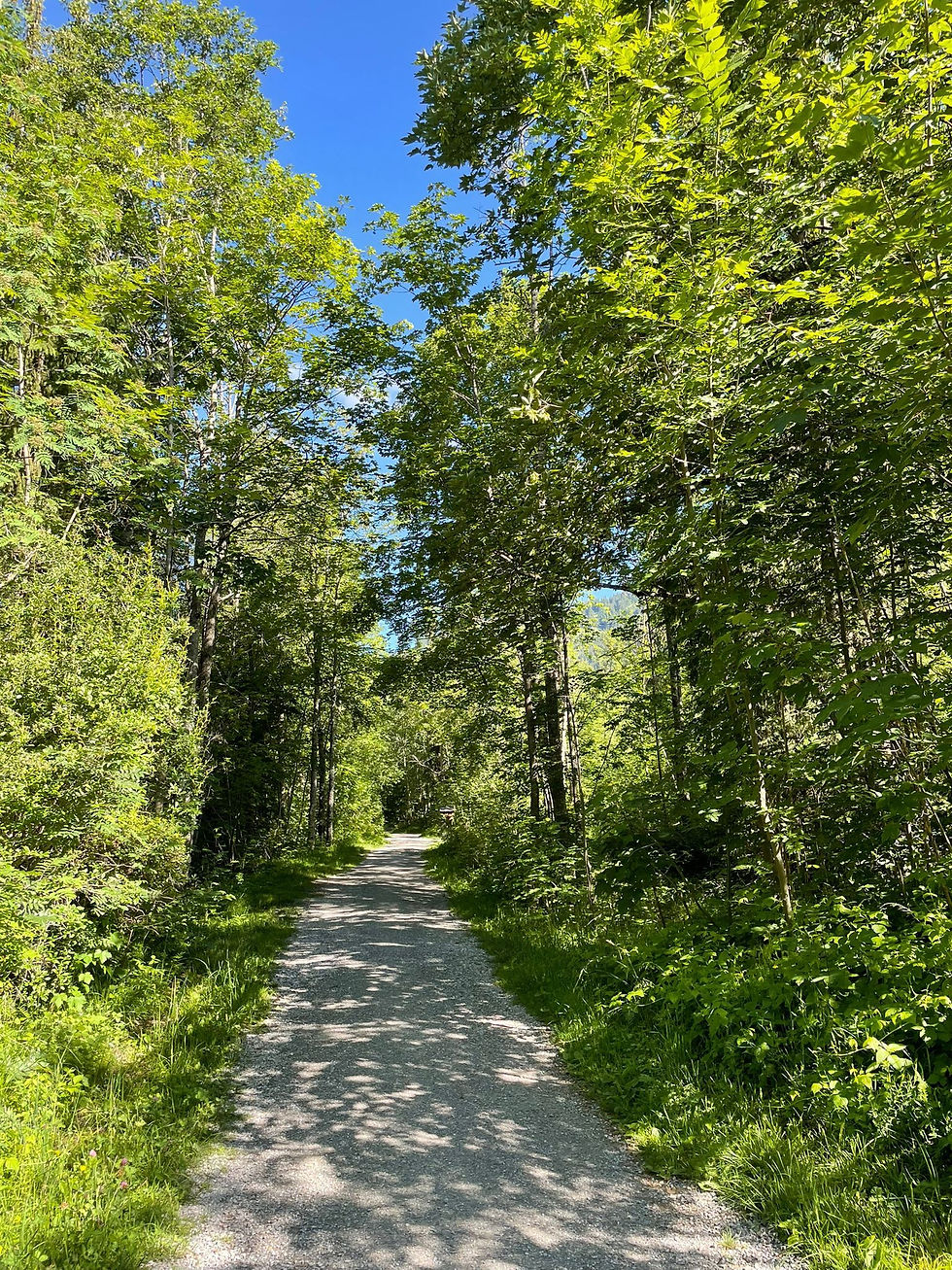
Imagine waking up to the sound of birdsong, joining a meditation circle, and then spending the afternoon journaling by a quiet lake. These moments create space for your heart to open and your mind to find peace.

Practical Tips for Choosing the Right Wellness Retreat
Choosing a retreat that fits your unique needs can feel overwhelming. Here are some practical tips to help you find the best experience:
Identify Your Goals: Are you seeking stress relief, emotional healing, spiritual growth, or a combination? Knowing this will guide your choice.
Research the Location: Consider whether you prefer a forest setting, mountains, beach, or countryside. Nature plays a big role in the healing process.
Check the Program Offerings: Look for retreats that include activities and therapies aligned with your interests and needs.
Consider the Group Size: Smaller groups often provide more personalized attention, while larger groups can offer a sense of community.
Read Reviews and Testimonials: Hearing from past participants can give you insight into the retreat’s atmosphere and effectiveness.
Evaluate the Facilitators’ Credentials: Ensure the team includes qualified professionals who can support your mental and emotional health.
Plan for Practicalities: Think about travel, accommodations, dietary needs, and budget.
By taking these steps, you’ll feel more confident that your retreat will be a nurturing and enriching experience.

What to Expect During Your Wellness Retreat Experience
If you’ve never attended a wellness retreat before, you might wonder what a typical day looks like. While each retreat is unique, here’s a general idea of what you can expect:
Morning Rituals: Gentle movement like stretching, followed by meditation or mindfulness practice.
Healthy Meals: Meals crafted with fresh, whole ingredients that awaken your senses to rich colors, vibrant flavors, and textures that turn eating into a grounding, mindful ritual.
Restorative Sessions: Individual or group experiences such as forest bathing, guided nature practices, and gentle mind-body activities designed to support reflection, grounding, and inner renewal.
Creative or Reflective Time: Opportunities to journal, create, play, or simply be in nature.
Evening Wind-Down: Relaxing activities such as guided relaxation, storytelling, or quiet reflection.
The pace is usually slower than your everyday life, allowing you to tune into your needs and feelings. You might find yourself surprised by how much you can learn about yourself in just a few days.
Embracing Lasting Change After Your Retreat
One of the most powerful aspects of a wellness retreat is the potential for lasting change. The insights and habits you develop during your time away can ripple into your daily life.

Increased Self-Awareness: You’ll likely return with a deeper understanding of your triggers, strengths, and needs.
New Coping Strategies: Tools like mindfulness, nature-connection practices, and journaling can help you manage stress and emotions.
Renewed Motivation: Feeling refreshed and supported can inspire you to make positive lifestyle changes.
Stronger Boundaries: Learning to say no and prioritize your well-being becomes easier.
Connection to Nature: Many find that regular time outdoors continues to support their mental health.
To keep the momentum going, consider setting small, achievable goals based on what you learned. Maybe it’s a daily meditation practice, weekly nature walks, or regular check-ins with a therapist or support group.
If you’re ready to explore a gentle, supportive way to nurture your mental and emotional health, a retreat might be just what you need. It’s an invitation to step away from the noise, reconnect with yourself, and embrace a path toward wholeness and freedom. Why not give yourself that gift? Your mind, body, and spirit will thank you.


Comments